How long does it take to build a website?
The short answer: it depends on the scope, and a firm timeline is written in the proposal once the scope is agreed. But knowing what drives the time helps you set a realistic date and speed the work up. Below are a site's stages and the things that affect how long it takes.
The stages of a website
Every project runs a little differently, but most sites go through these stages:
- Brief and scope: the site's goal, audience, page list, example sites.
- Call and proposal: scope, timeline and price in one document.
- Design direction: first samples of colour, type and motion.
- Design: phone and desktop versions of the pages.
- Development: the design in code, forms and integrations.
- Content: placing copy, images and videos.
- Testing: on different phones, browsers and connection speeds.
- Launch: domain, security certificate, Search Console and form tests.
What mainly drives the time
The same word, “website”, covers very different work. What affects the time most:
- Page count and page types: a one-page launch site and a multi-page corporate site don't take the same time.
- Custom design or a theme: in a custom design every screen is built from scratch.
- Video, animation and 3D: scroll-driven video or real-time scenes are a production of their own.
- Languages: each one means preparing and testing the content again.
- Integrations: filtering, search, a CRM or payments.
- Whether the content is ready, and who makes the decisions.
What made the difference on real projects
A'lâ Çekmeköy Nefes is a one-page launch site: the project video advances as you scroll and glass panels carry the project's figures. With a single page, the work centred on the video playing smoothly with the scroll and loading fast on a phone.
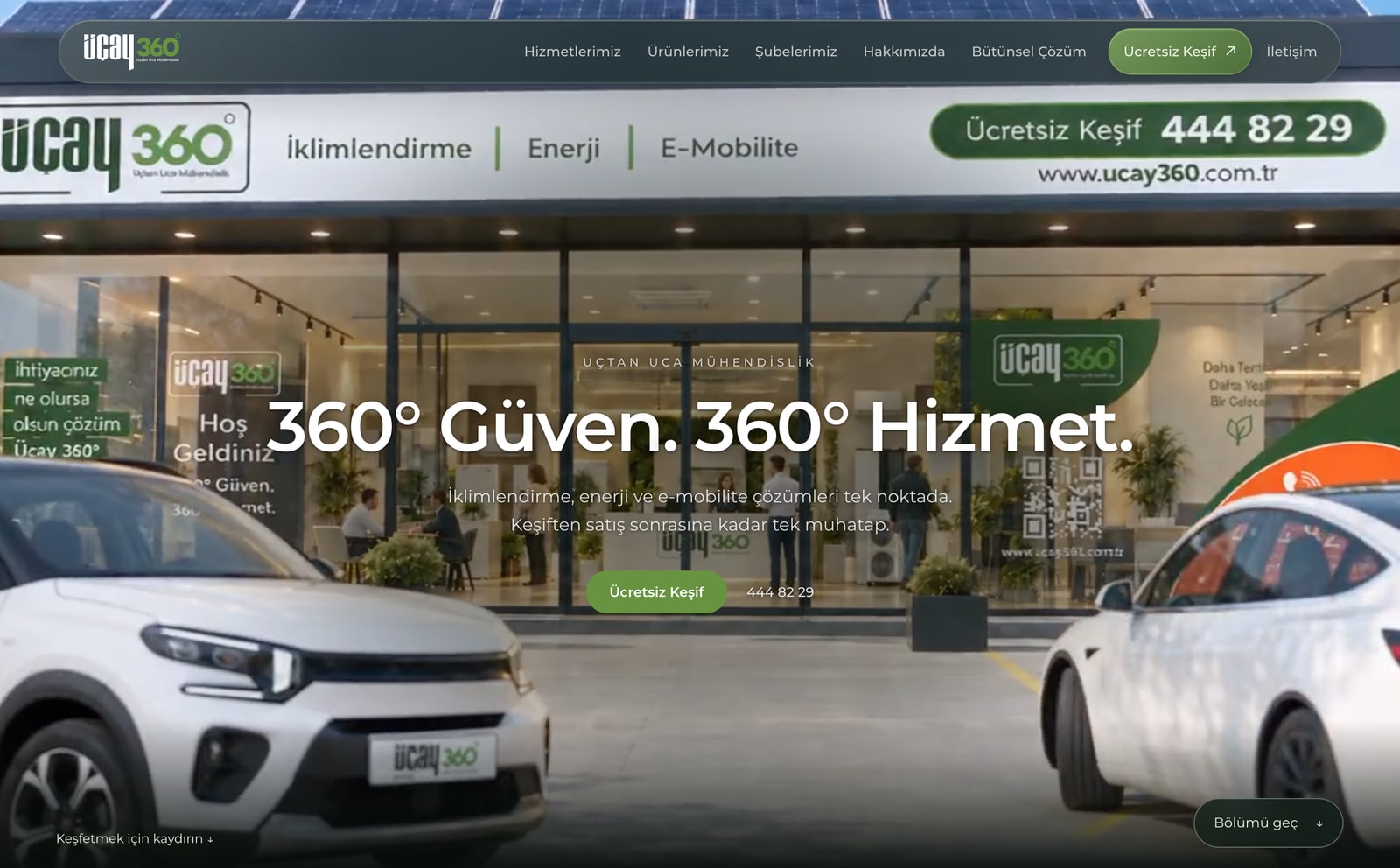
Üçay 360 opens with a film that plays as you scroll, from the shop to the home, from heat pumps to solar panels. The site was built section by section, each step reviewed; in this kind of story every scene is its own approval.
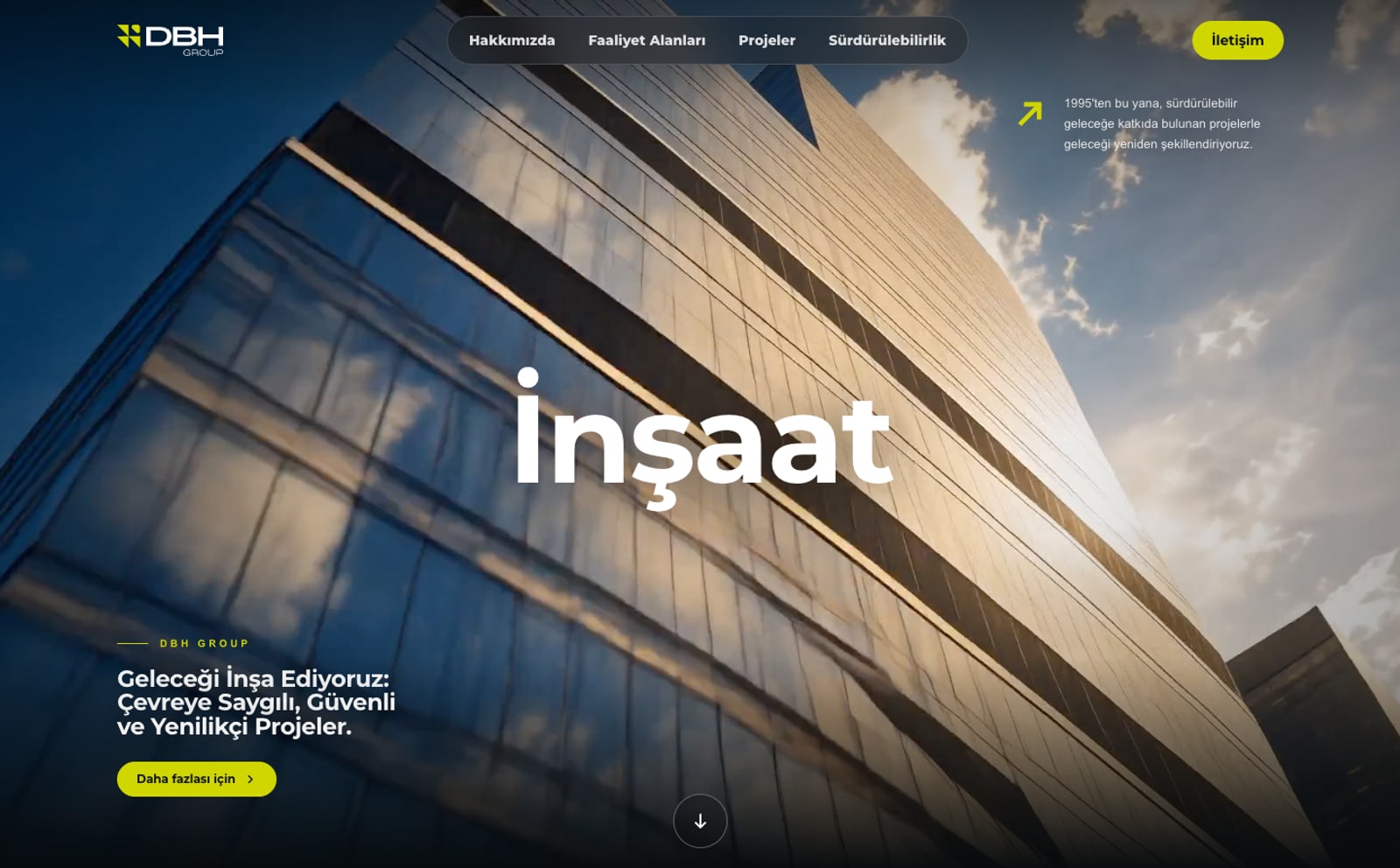
At DBH Group the group's six fields flow as full-screen sections; a section isn't done until its imagery and copy are. Fidan Property is a multilingual, filterable portfolio: here content and the number of languages set the pace more than design.
What slows it down
What makes a project miss its date is usually outside the technical work:
- Copy and images arriving late
- Decisions spread across several people, with conflicting feedback
- Scope growing mid-way: “one more page”, “one more language”
- Slow replies to interim deliveries
- Domain or old-site access left to the last minute
How to speed it up
Much of the timeline is in your hands:
- Prepare the content up front, or settle who will.
- Name one person who decides.
- Share a few sites you like and why; the design direction settles fast.
- Reply to interim deliveries within a few days, with consolidated feedback.
- If the date is urgent, launch the home page or a one-page version first and add the rest later.
Launch week
Even with the site ready, going live is a job of its own:
- Domain setup and a security certificate (https)
- Testing that the forms really send messages
- A privacy notice and cookie information
- Submitting the sitemap to Search Console
- Redirecting old addresses to the new pages, if there was an old site
Short answers
Is a one-page site faster?
Usually, yes: there are fewer screens to design and test. But if it includes a special experience such as scroll-driven video or 3D, producing that part sets the pace.
What slows a website down most?
Most often not design or code but late content and long approvals. When copy, images and the person who decides are clear from the start, the work runs as planned.
Can we launch the site in parts?
Yes. Launching the home page or a one-page launch site first and adding the other pages later is a good way to meet an urgent date.
Topics
- how long does it take to build a website
- website timeline
- website development time
- web design process
- website project stages